Find North York Home Builder for custom home construction and luxury residential projects
Find North York Home Builder for custom home construction and luxury residential projects
Blog Article
Picking the Appropriate Home Builder: Your Reference to Dream Homes
Pinpointing the competent home builder is a critical component in accomplishing one's envisioned home. It involves deliberate consideration and comprehensive investigation. A variety of factors come into play, from a builder's experience to their interpersonal communication. Understanding these elements can tremendously influence the building experience. As one progresses this demanding journey, crucial important factors call for concentration to ensure a rewarding ending. What should one stress to make a informed choice?
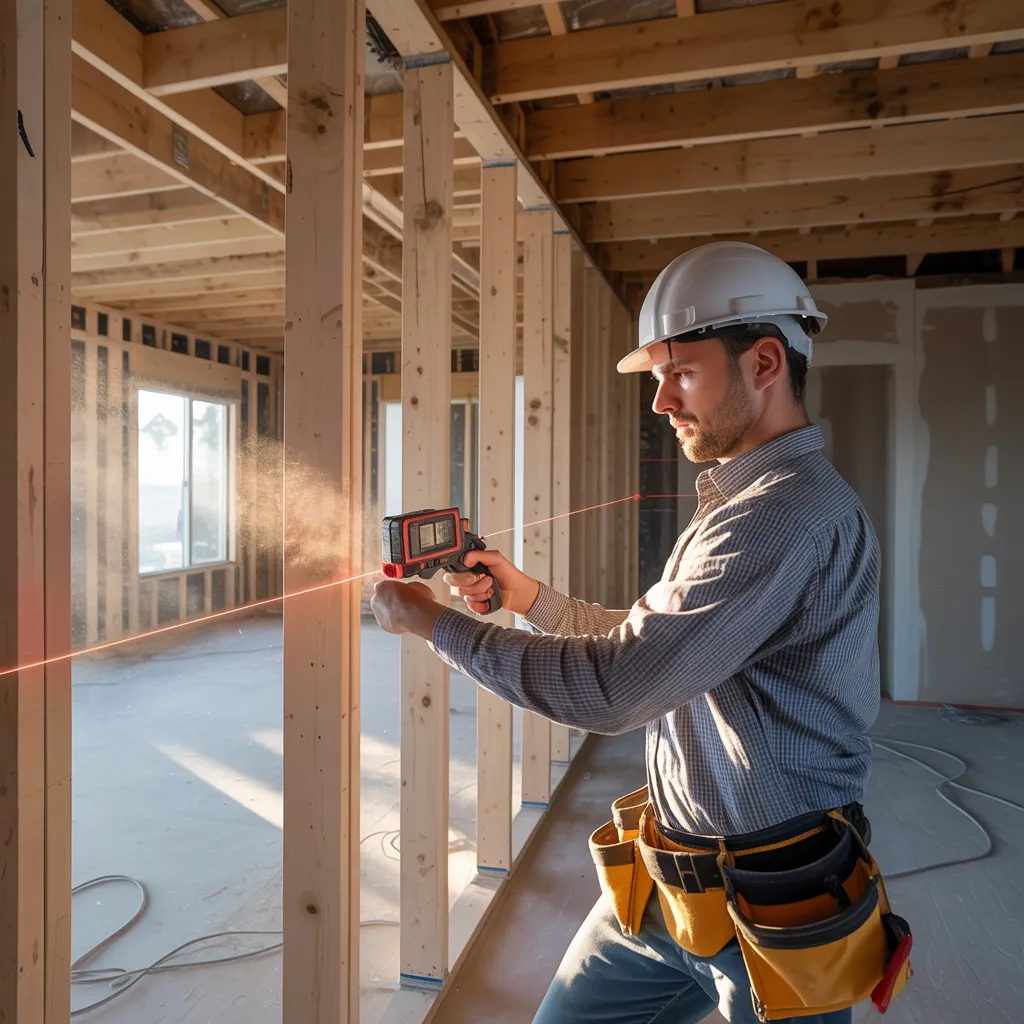
How to Begin Your Hunt for a Home Builder?
What approach should one take when setting out on the search to discover the perfect home builder? The main action involves undertaking extensive study to identify viable prospects. Future homeowners ought to use internet resources, featuring reviews and testimonials, to evaluate the credibility of various builders. Relationship building may also prove valuable; requesting guidance from friends, family, or real estate professionals frequently provides dependable options.
Next, people should attend local home shows or open houses, offering direct insight of a builder's work. It is essential to develop a shortlist of builders who align with personal preferences and project requirements.
Once this list is assembled, homeowners can prepare to reach out for consultations. During these consultations, discussing previous projects, timelines, and communication styles can uncover much about each contractor's methods. This initial step is significant, creating the framework for a fruitful construction journey ahead.
Vital Standards for Evaluating Home Companies
Reviewing home builders calls for a structured plan to confirm that the chosen candidate achieves specific benchmarks and expectations. Key criteria include experience, reputation, and output quality. A builder's portfolio should illustrate completed projects that reflect the desired style and functionality.
Reviews and feedback from former customers provide insight into dependability and customer contentment. It is also important to assess the builder's communication skills and promptness, as these qualities can significantly affect the entire process.
Moreover, understanding the contractor's protection plans and adherence to local building codes is vital for long-term peace of mind. Financial stability should not be disregarded; a reputable builder will have robust financial backing, permitting them to complete projects on time and within budget. By focusing on these criteria, potential homeowners can make informed choices when picking the right builder for their dream home.
Discovering Custom Solutions in Home Design
What factors influence the customization options offered in home design? Various factors have a strong role, like the builder’s experience, construction materials applied, and the local building codes. Established builders commonly deliver a broader spectrum of customization options because of their developed networks with suppliers and subcontractors. Moreover, the home type—be it a single-family house or a multi-family dwelling—may determine how much customization is possible.
Homebuyers should also consider the schedule for construction, as more elaborate designs might lengthen the building process. Geographic location can determine available styles and materials, since particular designs may be more practical or advantageous in certain regions. Lastly, budget constraints can reduce choices, because more detailed features and high-quality materials typically come at a premium. Understanding these factors helps buyers make well-informed decisions when exploring customization options.
Understanding Price Structures
Understanding pricing structures is essential for homebuyers navigating the intricacies of the building project. Different builders employ different pricing models, which can greatly impact total expenses. Fixed pricing provides certainty, allowing customers to know the total cost in advance, while cost-plus model involves paying the real building expenses plus a fixed charge, introducing potential for fluctuations.
Additionally, certain builders present a hybrid approach, combining aspects of both frameworks. Homebuyers should also take into account included features and upgrades, as these can considerably affect the final price. Itemized estimates deliver transparency, assisting buyers grasp where funds are designated.
It is essential for buyers to inspect payment timelines and potential hidden costs, such as permits or site preparation. By thoroughly comprehending these structures, home buyers can make sound decisions, ensuring they pick a builder whose pricing fits with their budget and expectations.
Why Straightforward Dialogue Matters When Deciding On a Builder?
Clear dialogue is vital when picking a home builder, as it cultivates trust between the client and the builder. By making certain that expectations and project details are comprehensively discussed, parties can circumvent costly confusion. Ultimately, transparency in dialogue lays the groundwork for a successful building experience.
Establishing Reliability By Clear Communication
How can aspiring homeowners ensure their aspirations align with their contractor's capabilities? Establishing confidence through transparency is essential in this relationship. Open dialogue promotes comprehension, confirming that both sides are aligned on construction expectations, schedules, and design elements. Property owners should express their wishes while actively hearing to the contractor's viewpoints and advice. Frequent updates and transparent conversation throughout the construction period further strengthen this trust, permitting for modifications as necessary. Candor in discussing construction obstacles and solutions also improves this connection, rendering it simpler to address possible difficulties together. In the end, transparent dialogue not only aligns visions but also establishes a solid base for a successful partnership, leading to the achievement of the property owner's ideal residence.
Preventing High-Cost Confusion
What occurs when goals diverge between homeowners and builders? Miscommunications can cause pricey delays, budget overruns, and frustration. Transparent communication is essential to align plans and guarantee both parties are on the same page. Homeowners must express their choices, wants, and budget constraints from the beginning. Builders, on their part, must deliver transparent timelines, costs, and scope of work. Routine updates and open dialogue foster trust and allow for adjustments as necessary. Writing down agreements helps to stop future disputes. By focusing on clarity, both homeowners and builders can lessen risks, leading to a smoother construction process and a more rewarding end result. Ultimately, effective communication underpins a successful building experience.
Inspecting Endorsements and Reviews: Recommended Practices
When selecting a home contractor, verifying references and reviews is crucial for informed decision-making. Assessing comments from past customers provides understanding into the builder's dependability and quality of craftsmanship. Understanding both direct references and digital evaluations can greatly affect the builder's credibility.
Importance Of Citations
increase assurance
Examining Web-based User Responses
How can potential homeowners effectively navigate the vast terrain of online feedback when assessing a home contractor? First, they should look for feedback on reputable platforms, such as Google, Yelp, and specialized construction forums. It is critical to differentiate between genuine reviews and possibly prejudiced ones, identifying trends in feedback rather than individual comments. Homeowners should pay attention to both favorable and negative remarks, concentrating on recurring advantages or weaknesses highlighted by multiple reviewers. Additionally, they professional advice can check the builder's reaction to complaints, which may indicate their commitment to customer service. Finally, contacting past clients directly can offer deeper insights, ensuring that the builder aligns with the homeowner's expectations and needs.
Often Asked Questions
What Credentials and Certifications Should a Home Builder Have?
A home builder should obtain a valid construction license, professional liability coverage, and relevant certifications such as OSHA training or green building credentials. These qualifications confirm compliance with safety standards and industry regulations, enhancing trust and professionalism.
How Much Time Does Building a Home Typically Take?
The home building process typically takes six months to over a year, based on variables such as the complexity involved, weather conditions, and permitting delays. Each stage requires meticulous preparation to ensure timely delivery and high-quality outcomes.
Is it Feasible to See Earlier Developments Completed by the Builder?
Yes, potential clients can often visit previous projects completed by the contractor. This allows them to review workmanship and design quality, helping to shape their decision-making process and confirm pleasure with their future home.
What Warranties Are Builders Normally Offering on Recently Built Homes?
Builders typically offer warranties protecting structural soundness for ten years, primary installations like plumbing and electrical for five years, and craftsmanship for one year. These guarantees provide homeowners with protection against flaws and necessary repairs.
What Steps Can I Take to Maintain My Builder On Schedule?
In order to secure a builder stays on schedule, one should develop explicit timelines, keep ongoing communication, and introduce milestone check-ins. Tracking progress and tackling delays quickly can also help keep the project on track.
Report this page